Design Flows That Make Your Home Run Smoothly

Today we dive into streamlining home operations through workflow design, turning everyday routines into dependable, low-friction systems. Expect practical maps, gentle automation, and humane habits that protect energy, reduce decision fatigue, and create more time for what matters. Follow along, adapt freely, and share your wins or struggles so we can refine these approaches together and help more households find rhythm, relief, and sustainable momentum without perfectionism or burnout.
Map Your Day Like A Journey
Sketch a simple timeline from wake-up to wind-down, marking transitions like breakfast, departures, arrivals, meals, and bedtime. Note where items stall—shoes by the couch, backpacks on tables, mail on counters—and the feelings these friction points create. Then highlight opportunities for staging, like a launchpad near the door or a dinner mise en place shelf. Share a picture of your map with our community, gather creative suggestions, and revisit weekly to observe progress and gently adjust without judgment.
Spot Friction And Batch For Flow
Friction often hides in context switching: moving from laundry to email to snacks to dishes erodes focus and satisfaction. Try batching similar tasks—prep produce right after groceries, run all returns on one weekday, fold laundry while a favorite podcast plays. Create micro-stations so tools live where work happens. Tell us which batches save you the most time, and we will crowdsource clever pairings, like wiping bathroom mirrors while the shower warms or loading the dishwasher during kettle time.
Measure What Matters Without Obsessing
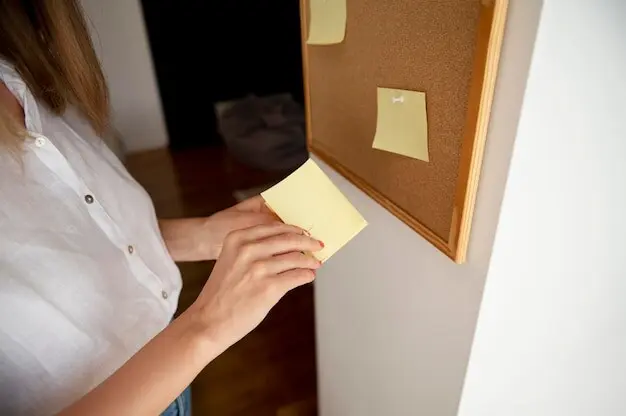
Track only the signals that guide action: minutes lost searching for keys, late departures, forgotten forms, or food waste. Use quick tallies on a sticky note for one week, then redesign the flow that reduces the biggest number. Avoid perfection metrics that shame rather than help. Report back with one surprising measurement you discovered, and we will suggest lightweight experiments that nudge improvement, like a labeled drop zone by the door or a two-minute nighttime reset that pays compound dividends.
Systems Thinking For Everyday Living
Before any checklist or gadget, clarity comes from recognizing your household as an interconnected system of triggers, handoffs, and feedback loops. By noticing where time, attention, and materials actually travel, you can gently redesign bottlenecks without blame. This perspective shifts chores from scattered demands into repeatable flows. Share your initial observations with us, ask questions, and compare notes to uncover hidden patterns that quietly drain energy yet are surprisingly fixable with small, respectful tweaks aligned to your family’s real life.
Kitchen Operations That Cook Themselves
The kitchen runs like a small workshop where planning, staging, and cleanup must connect. By designing predictable loops—shopping, prepping, cooking, and resetting—you lower weeknight stress and rescue hours otherwise lost to indecision. Light structure beats rigid rules, and family-friendly visibility beats complicated systems no one follows. Share your pantry photo or meal schedule, and we will help you apply the right-sized structure, whether you are a batch-cook champion, a spontaneous chef, or someone rebuilding confidence after chaotic evenings.

A Weekly Meal Sprint And Pantry Kanban
Set a fifteen-minute weekend sprint: choose three anchor dinners, two flexible options, and backup freezer meals. Use a simple Kanban—To Buy, In Stock, Use Soon—on a whiteboard or app. Rotate proteins, grains, and vegetables to prevent ruts. Keep a rescue list for exhausted nights—omelets, sheet-pan veggies, or soup. Post your board layout for feedback, and we will suggest gentle improvements that honor dietary needs, budget constraints, and joyful variety without turning dinner into a project plan.

Prep Sessions That Protect Weeknights
Right after grocery unpacking, rinse greens, chop hardy vegetables, portion snacks, and cook a base grain. Group containers by recipe so cooking becomes assembly. Store a visible “use first” bin to fight waste. Assign a soundtrack and a timer to keep the mood light. Tell us which prep move gave you the biggest payoff this week, and we will propose rhythm tweaks, like color-coded lids or shelf labels, so other family members can help without asking a dozen questions.
A Cleanup Loop You Can Trust Every Night
Define the minimum reset: scrape, soak, load, wipe, sweep. Start the dishwasher before bed, unload while the coffee brews. Keep sponges, cloths, and bags within arm’s reach to remove micro-friction. Celebrate completion with a tiny ritual, like dimming lights or lighting a candle. Report your easiest win, and our readers will offer shortcuts—pre-sort cutlery baskets, high-heat quick cycles, or a no-clutter counter rule—so mornings greet you with clear surfaces and the quiet satisfaction of a ready workspace.
Laundry As A Gentle Production Line
Laundry overwhelms when it stacks across rooms and days without clear stages. A simple pipeline—collect, wash, dry, stage, fold, store—keeps motion continuous and predictable. Visual cues and scheduled cycles help families contribute without nagging. Consider energy-efficient times, fabric types, and realistic folding standards. Share your biggest sticking point, and we will exchange simple fixes, like color-coded hampers, a folding station near the TV, or a donation bin assigned to exit with weekly errands so closets steadily breathe again.


Cleaning And Maintenance Without The Mayhem
Clutter and chaos grow silently when maintenance is invisible and cleaning has no cadence. A clear schedule, tiny daily resets, and focused zones keep dust, repairs, and paperwork from exploding into weekend marathons. Favor repeatable routines over heroic sprints. Track issues in a simple backlog and celebrate done over perfect. Share your trickiest area, and we will recommend zone sizes, seasonal rhythms, and micro-resets that match your household energy, budget, and time so tidiness feels calm rather than compulsory.

Digital Dashboards, Automations, And Calm
Software should reduce thinking, not multiply it. A shared dashboard consolidates chores, reminders, shopping lists, meal plans, and maintenance dates so everyone sees the same truth. Gentle automations—recurring tasks, voice-activated lists, and smart plugs—eliminate tiny decisions that sap willpower. Prioritize privacy, resilience, and clear ownership of actions. Share your current tools and comfort level, and we will suggest just-enough tech that supports dependable rhythms without pushing your household into complicated systems that fail the moment life gets interesting.
Use a simple board in Notion, Trello, or a paper planner mounted in the kitchen. Create columns like Now, This Week, Upcoming, and Waiting. Assign owners by initials and add due windows rather than rigid dates. Keep recurring cards for laundry, trash, and bills. Share a snapshot of your board, and our community will offer layout tweaks, color tags that actually help, and ritual ideas like a five-minute Sunday scan that prevents surprises and distributes work transparently.
Train short phrases for predictable actions: add milk to the list, start the vacuum, turn on porch lights at sunset. Bundle tiny routines—morning, arriving home, bedtime—so the environment preps itself. Keep manual overrides for guests and outages. Share which routine delighted your family most, and we will swap tips for conflict-free schedules, child-friendly phrasing, and guardrails that protect privacy while still granting delightful convenience that quietly supports consistent habits, visible progress, and peaceful evenings together.
Start with one clear problem—forgotten lights, damp basement, or energy spikes. Add a targeted sensor, automate notifications, and review weekly. Use smart plugs on high-draw devices and set schedules aligned to real usage. Document settings so everyone understands. Tell us about your first automation, and the community will share reliability checks, backup plans, and privacy-minded alternatives. Measured steps prevent gadget sprawl while delivering practical wins that keep your home safer, lighter on bills, and easier to manage.

Family Coordination That Builds Trust
Workflows succeed when people feel seen and respected. Clarify responsibilities, design simple handoffs, and celebrate progress over perfection. Short, kind check-ins beat long lectures. Visual cues reduce nagging, and shared rituals strengthen teamwork. Invite feedback from every voice, including kids, and adapt without drama. Share what transparency looks like in your home, and we will exchange routines, scripts, and incentives that support fairness, foster autonomy, and transform chores into collaborative care that uplifts everyone’s day-to-day experience meaningfully.

All Rights Reserved.